
Millets for Thyroid
Pure by nature, perfect by choice.
Millets for thyroid need more care than other grains, because millets contain goitrogens, compounds that can interfere with iodine uptake when the grain is raw or eaten in very large amounts. Cooked well and rotated, they are usually considered fine in moderation. Choose barnyard millet, little millet, kodo millet or foxtail millet, and ask your doctor first.
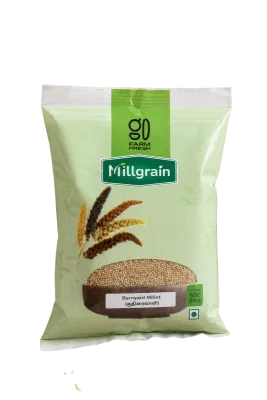
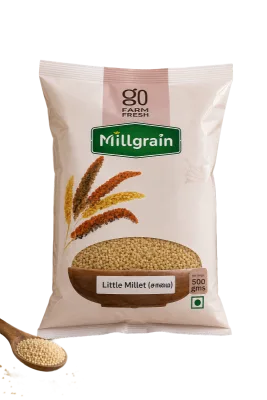
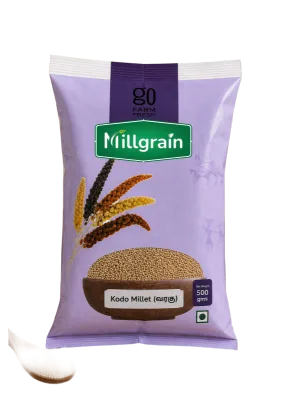
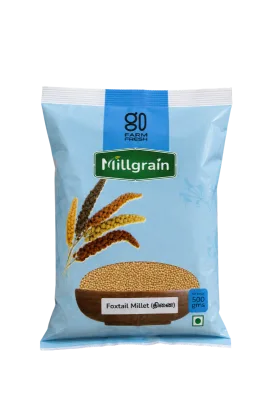
With millets for thyroid care, how you prepare a millet and how often you eat it matter more than which brand you buy. These four grains sit inside our whole grains collection and the wider Pure Organic foods range, sold whole so that you decide how long they soak and cook. We kept pearl millet and sorghum out of this selection, because pearl millet is the grain the research flags most, and sorghum is sometimes named as well.
- Soak the grain, pour away the soak water and cook it until it is soft. Cooking is what lowers the goitrogens, and a soak or light fermentation also cuts anti-nutrients.
- Rotate the grains and do not repeat one every day. Use kodo millet on one day and barnyard or little millet on another, and treat pearl millet as an occasional grain.
- Keep your iodine intake adequate and take any thyroid medicine as prescribed. The research gives no firm portion limit, so ask your doctor or dietitian how much suits you.
If blood fats are on your list too, see our millets for cholesterol page.
Millets for Thyroid — FAQ
Is millet good for thyroid patients?
It can fit into a thyroid-conscious diet when you cook it well, eat it in moderation and rotate varieties. Millets contain goitrogens, which may interfere with iodine uptake in large amounts, so this is a question for your doctor and not a blanket yes.
Which millet is best for thyroid?
No millet has been proven best, and sources disagree. Barnyard and little millet are the ones most often suggested, pearl millet is the one most often limited, and ragi is usually described as moderate. Its side effects are set out in the barnyard millet benefits article.
Is foxtail millet safe for thyroid problems?
Foxtail millet contains goitrogens, so anyone with a thyroid condition should eat it in moderation. Sources even disagree on whether it is low or high in them. The foxtail millet benefits article explains why.
Can I eat ragi if I have hypothyroidism?
Some sources call ragi a moderate case. The same rules apply as for other millets: cook it, rotate it, keep iodine up and check with your doctor.
Do I need to avoid millets if I take levothyroxine?
Not necessarily, but ask your endocrinologist or doctor, especially if you eat millets every day. They can advise on portions and on how to fit your medicine around meals.