
Millets for Weight Loss
Pure by nature, perfect by choice.
Millets for weight loss are whole grains with more fibre than polished rice, which helps you feel full on a similar-sized portion. Choose foxtail millet, little millet, barnyard millet or kodo millet, plus a ready-to-grind millet mix powder for porridge. They support a calorie-aware diet and do not burn fat on their own.
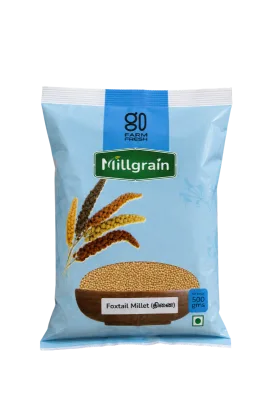
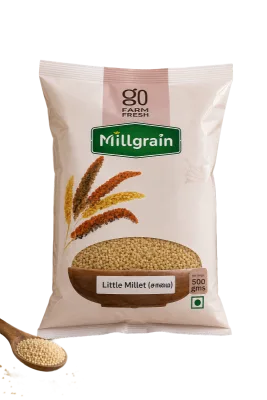
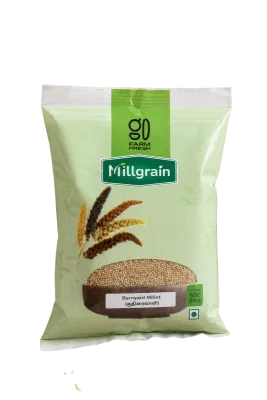
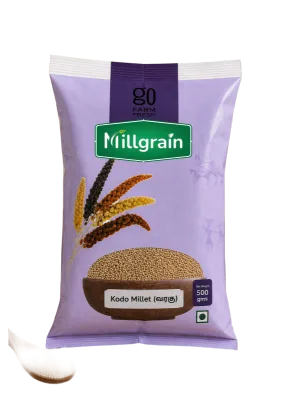
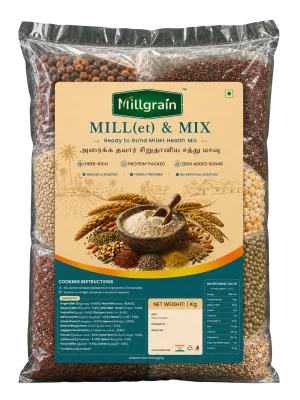
Millets for weight loss work by replacing refined rice or wheat and adding fibre to a meal, which is why these grains are part of our wider Pure Organic foods range and sit inside our whole grains collection, sold whole so they keep their fibre. Most millets have a calorie count close to rice, so the benefit comes from fibre, fullness and a gentler blood sugar response, not from being a low-calorie food.
- Start with barnyard millet or little millet at one meal a day, usually lunch or dinner, and add a second millet meal once your digestion has adjusted to the extra fibre.
- Pair every millet meal with vegetables and a protein such as dal, egg or curd, and keep the portion close to what you would eat of rice. Millets are not a reason to eat more.
- Go easy on ghee and oil, because too much turns a fibre-rich grain into a calorie-dense one. For breakfast, cook the millet mix powder as a porridge and top it with nuts and a little fruit.
Many of the same grains also suit blood sugar goals, so see our millets for diabetes page. Check with your doctor or dietitian before you make a big change to your diet.
Millets for Weight Loss — FAQ
Does millet help you lose weight?
Not on its own. Millets support weight management by replacing refined rice or wheat and adding fibre, but weight loss still comes down to overall calorie balance, portions, vegetables, protein and activity. Our guide on millet for weight loss covers a simple diet plan and the research.
Is millet porridge good for weight loss?
It can fit a weight-conscious diet, because the fibre keeps a bowl filling. Our ready-to-grind mix is low glycaemic with no added sugar. Watch the portion and the extras you add, such as jaggery, ghee and nuts.
Do millets have fewer calories than rice?
Not dramatically. Most millets are broadly similar to rice in calories per 100g, so the benefit comes from fibre, fullness and blood sugar response. Portion control matters as much with millets as with any other grain.
Which millet is best for weight loss?
There is no single best millet. Foxtail, little and barnyard millet are commonly recommended for their fibre and easy cooking, and rotating a few varieties works better than sticking to one. Our guide to barnyard millet benefits covers nutrition and side effects.
How much millet should I eat a day?
Studies linking millets to a lower BMI used 50 to 200g a day in place of rice or wheat, over several weeks. Starting with one millet meal a day is a reasonable way in, and a dietitian can set an amount that fits you.